Day 1: Reykjavik & Golden Circle
Start in Reykjavik, Iceland’s capital. The city is small but packed with character. Coffee shops, colorful houses, street art, and quirky museums make wandering fun. Don’t miss Hallgrímskirkja Church - ride the elevator up for sweeping views over the city.
After a quick bite, hit the Golden Circle. Þingvellir National Park is first - tectonic plates, walking trails, and history all in one. Gullfoss waterfall follows, thunderous and beautiful. Then Geysir hot springs - Strokkur erupts every few minutes, so keep your camera ready. 2026 may bring improved visitor paths and eco-friendly facilities, making stops smoother and more enjoyable. Finish the day in a local guesthouse near Selfoss or Hella, rest up for a longer drive tomorrow.
Day 2: South Coast Waterfalls & Black Sand Beaches
The south coast is wild. Start with Seljalandsfoss, a waterfall you can walk behind - bring a raincoat, you’ll get wet. Skógafoss comes next, massive and perfect for dramatic photos. If you’re feeling adventurous, hike a short trail up the side of Skógafoss for a panoramic view.
Then drive to Reynisfjara Black Sand Beach. Basalt columns, crashing waves, and the Reynisdrangar sea stacks make it feel like a movie set. Caution: the waves are strong, so keep a safe distance. If time allows, explore the nearby village of Vik for lunch and maybe a hot chocolate before continuing east.
Day 3: Glaciers & Lagoons
Vatnajökull National Park is massive and stunning. Stop at Skaftafell for short hikes - glaciers, waterfalls, and trails that are surprisingly manageable. For a bucket-list experience, take a guided glacier walk. Ice formations, blue ice caves (seasonal), and crevasses make it feel otherworldly.
Then head to Jökulsárlón Glacier Lagoon and nearby Diamond Beach. Icebergs float in the lagoon, and chunks of ice glint on the black sand like diamonds. Sunset here is magical, and if you’re lucky, seals play in the lagoon. 2026 offers better accessibility with eco-friendly viewing platforms, so you can get closer without disturbing nature.
Day 4: East Fjords & Hidden Villages
The east coast is quieter, with fjords and small fishing towns. Drive slowly, stop often, and take in the scenery. Djúpivogur, Seyðisfjörður, and other villages offer cozy cafes, local crafts, and a sense of time slowing down. Hike short trails for waterfalls, cliffs, or just to stretch your legs. The east fjords are less visited, which makes them ideal for a peaceful day of discovery.
Day 5: North Iceland & Hot Springs
Head toward Akureyri, Iceland’s second city. Explore small museums, botanical gardens, and local eateries. From here, you can detour to Mývatn, known for geothermal activity, mud pools, and unique lava formations. Hot springs like Mývatn Nature Baths are perfect for relaxing tired muscles. 2026 is expected to see continued focus on eco-tourism, so many hot spring experiences are managed sustainably.
Day 6: West Iceland & Snæfellsnes Peninsula
Drive west toward Snæfellsnes Peninsula, sometimes called “Iceland in Miniature” because it has everything: lava fields, black beaches, mountains, cliffs, and charming villages. Highlights include Kirkjufell Mountain, often photographed with a waterfall in the foreground, and Djúpalónssandur Beach, where lava formations meet pebbly sand. Spend the night in a small village inn, enjoy local seafood, and watch the northern lights if conditions allow.
Day 7: Return to Reykjavik & Final Stops
Head back to Reykjavik. Depending on time, stop at Hraunfossar and Barnafoss waterfalls in West Iceland. Explore the city one last time - maybe grab a gift, try a new coffee shop, or wander old harbor streets. End your trip with a relaxing soak at the Blue Lagoon near the airport before flying out. The warm, mineral-rich waters are the perfect finale to a week of rugged landscapes.
Tips for a Road Trip in Iceland
Rent a 4x4 car - some roads, especially in the highlands, require it.
Check weather daily - conditions can change fast.
Bring layers, rain gear, and sturdy shoes.
Plan fuel stops - some stretches are long with no stations.
Respect nature - stay on paths, don’t disturb wildlife.
Use local guesthouses and small inns to support communities.
Carry snacks and water - restaurants can be sparse in remote areas.
Why Iceland Is Perfect for a Road Trip
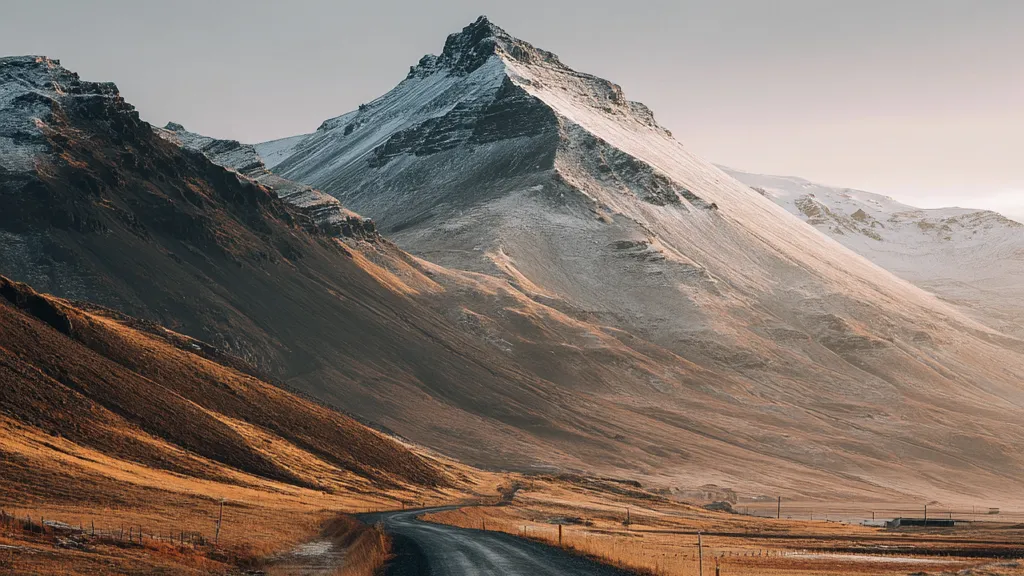
Iceland is a landscape of extremes: waterfalls, glaciers, volcanoes, fjords, black sand beaches, and icebergs. A road trip lets you move at your own pace, stop wherever inspires you, and feel small against immense natural beauty. 2026 is perfect because accessibility has improved without losing charm - fewer crowds in hidden spots, eco-friendly facilities, and new trails and viewpoints. Whether it’s your first time or fifth, Iceland rewards curiosity and flexibility.
Popular Stops to Include
Golden Circle – Þingvellir, Gullfoss, Geysir.
South Coast – Seljalandsfoss, Skógafoss, Reynisfjara.
Vatnajökull & Jökulsárlón – glaciers and ice lagoons.
Snæfellsnes Peninsula – Kirkjufell, lava fields, black beaches.
A road trip in Iceland is messy, magical, sometimes chilly, and always unforgettable. The freedom to stop where you want, breathe in landscapes that feel unreal, and explore tiny villages makes it unlike any other trip. 2026 is a year for adventure, and Iceland’s Ring Road is ready for you. Pack warm layers, bring snacks, charge your camera, and get ready for landscapes that will stick with you long after you leave. Iceland isn’t just a place to visit - it’s a place to experience.